
Abilità e abitudini
Gli approcci tradizionali alla mente nelle scienze cognitive non hanno riconosciuto l’importanza delle abitudini giacché prendono le mosse dall’assunzione che la cosa veramente interessante riguardo a noi esseri umani è che siamo molto intelligenti.
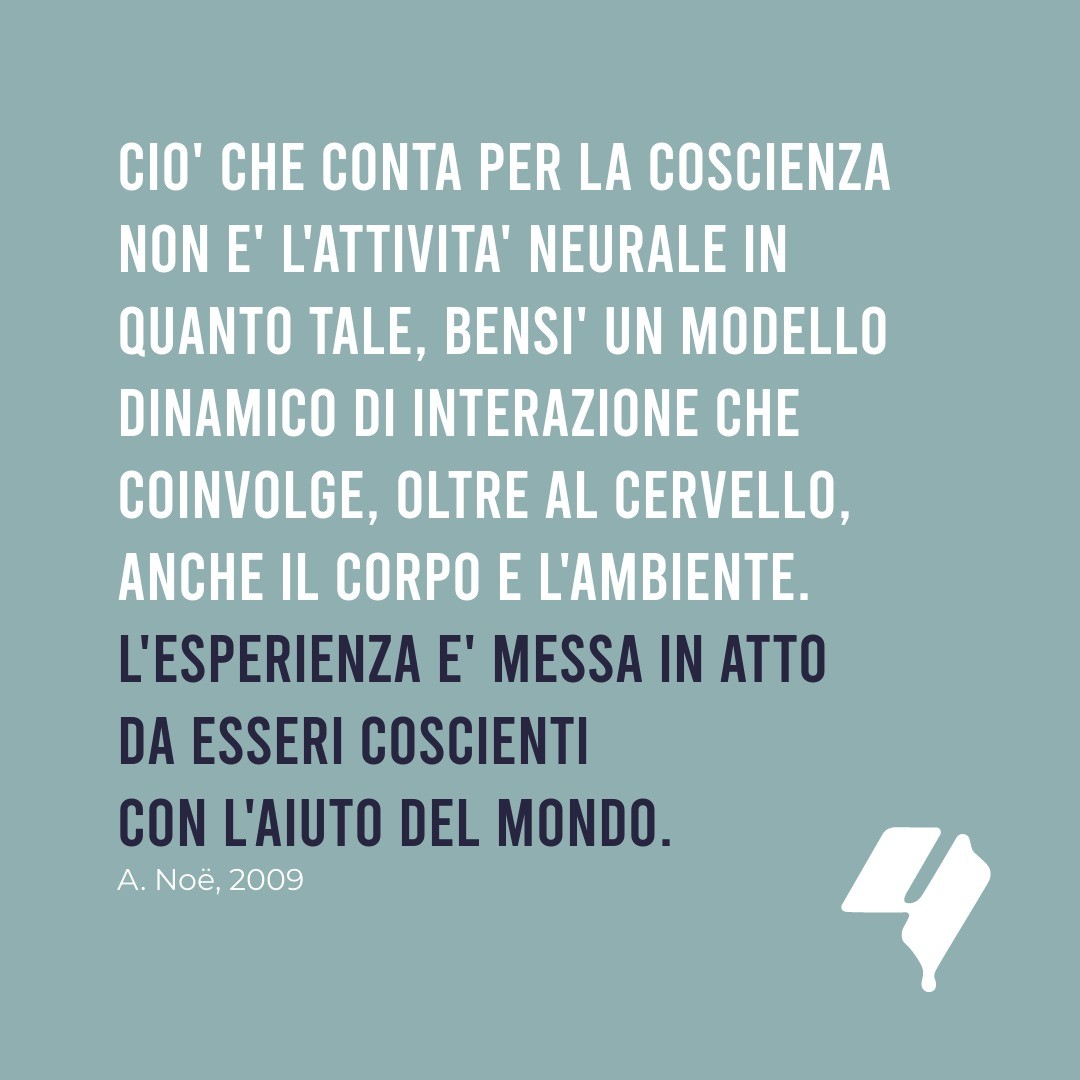
Questa idea affonda le radici nella visione platonica, nelle meditazioni cartesiane, secondo cui siamo, nella misura più autentica, dei pensatori. Il vero problema di questa concezione intellettualistica è che considera la riflessione razionale la più fondamentale tra le operazioni cognitive, quando, invece, pensare e valutare comportano a loro volta l’esercizio di competenze pratiche ancora più basilari.
Il carattere distintivo di un’abilità è la sua fluidità; essa comporta coinvolgimento ed è, precisamente, non riflessiva.
Traditional approaches to the mind in cognitive science have failed to recognize the importance of habits, as they are based on the assumption that what is truly interesting about us as human beings is that we are highly intelligent.
This idea has its roots in the Platonic view and Cartesian meditations, according to which we are, in the truest sense, thinkers. The real problem with this intellectualistic conception is that it regards rational reflection as the most fundamental of cognitive operations, when, in fact, thinking and evaluating themselves involve the exercise of even more basic practical skills.
The defining characteristic of a skill is its fluidity; it involves engagement and is, precisely, non-reflective.
Alva Noë – 2009

 :
: